
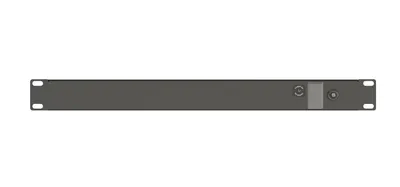
Power management is one of the most critical yet often overlooked aspects of modern IT infrastructure. Whether operating a small server room, a large enterprise data center, or a distributed edge environment, the ability to reliably distribute, monitor, and control power is essential. Any unexpected failure in power distribution can result in equipment downtime, data loss, and costly business interruptions.
To address these challenges, Eaton managed rack PDU have become a cornerstone of intelligent power infrastructure design. With advanced monitoring, remote control capabilities, environmental integration, and enterprise-class reliability, Eaton’s managed PDUs ensure IT teams have full visibility and control over power delivery to critical IT equipment.
This article explores everything you need to know about the Eaton managed rack PDU, including how it works, key features, different models, deployment considerations, best practices, and why it is a top choice for businesses aiming for uptime, efficiency, and operational agility.
What Is an Eaton Managed Rack PDU
A managed rack PDU from Eaton is an intelligent power distribution device designed to provide power to racks of servers and IT equipment while offering advanced monitoring, control, and management capabilities.
Unlike basic PDUs that simply distribute power to multiple outlets, Eaton managed PDUs offer features such as:
- Real-time power metering
- Remote monitoring and control
- Environmental sensor integration
- Threshold alerts and alarms
- Load balancing and capacity planning
- Integration with DCIM and network management systems
Managed PDUs act as both power distribution hardware and intelligent infrastructure components, giving IT teams deeper insights into their power environment and enabling remote configuration and control.
Why Managed Rack PDUs Matter
Rack PDUs are essential because they serve as the last step in electrical distribution before power reaches servers, storage, networking equipment, and other rack-mounted devices. Choosing the right PDU can significantly improve uptime, reduce costs, and help IT teams make informed decisions.
Visibility Into Power Usage
Managed PDUs provide detailed power consumption data at the outlet, branch, and device level. This visibility helps identify equipment drawing excessive power and supports capacity planning.
Remote Control and Automation
IT teams no longer need to be physically present to power cycle devices. Managed PDUs allow administrators to turn individual outlets on or off remotely, reducing downtime and response times.
Improved Uptime and Resilience
Real-time power monitoring alerts IT staff before an overload or imbalance causes hardware failures, allowing teams to proactively rebalance or shed load.
Environmental Monitoring
Managed PDUs support temperature, humidity, and contact closure sensors, providing a more complete picture of rack conditions beyond just power delivery.
Integration with Enterprise Systems
Eaton managed PDUs integrate with DCIM systems, SNMP-enabled network management tools, and centralized monitoring platforms for consolidated oversight.
Key Features of Eaton Managed Rack PDUs
Eaton’s managed rack PDUs are designed for modern data centers and distributed IT environments. Key features include:
Real-Time Power Metering
- Per-outlet power usage data
- Branch and phase-level measurements
- Voltage, amperage, power factor, and power consumption readings
This granular data helps IT teams understand actual load profiles, prevent overloads, and plan effectively for future expansion.
Remote Monitoring and Control
- Monitor power consumption remotely
- Turn outlets on or off
- Schedule power events
- Receive alerts and threshold notifications
Remote management reduces costly on-site technician visits and enables faster issue resolution.
Environmental Sensor Support
- Temperature and humidity sensors
- Leak detection sensors
- Door and contact closures
Sensors report data to the PDU’s network interface and trigger alarms when thresholds are exceeded, preventing conditions that could lead to equipment failure.
Alerting and Threshold Actions
PDUs can be configured with alert thresholds for:
- High power draw
- Voltage variations
- Temperature and humidity extremes
- Sensor triggers such as leaks or open doors
Administrators receive alerts via SNMP, email, syslog, or centralized monitoring and management.
Integration with Enterprise Management Platforms
Eaton PDUs support:
- DCIM platforms
- SNMP-based network management systems (v1, v2c, v3)
- RESTful APIs for automation
- LDAP/Active Directory authentication
This integration ensures that power data becomes part of the larger operational ecosystem.
Redundancy and Load Balancing
High-density racks require careful load balancing. Eaton PDUs support:
- Three-phase power distribution
- Dual power feeds
- Load balancing configurations
These features support efficient power utilization and resilience.
Types of Eaton Managed Rack PDUs
Basic Managed PDUs
Provide remote metering, outlet monitoring, web-based interface, alerts, and reporting. Suitable for mid-level deployments where monitoring and basic control are required.
Fully Switched Managed PDUs
Allow remote outlet control, sequenced power up/down, scheduled power cycling, and local/remote switching. Ideal for distributed IT environments and unmanned sites.
Three-Phase Managed PDUs
Support three-phase input for:
- Higher overall capacity
- Better load distribution
- Reduced cable complexity
Common in enterprise and large data center racks.
Dual-Input and Redundant PDUs
Support two independent power feeds from separate UPS systems or utility sources, ensuring failover without service interruption.
Environmental Sensor Bundles and Accessories
Include temperature and humidity sensors, leak detection cables, door contact sensors, external displays, and mounting accessories for complete rack monitoring.
Real-World Use Cases
Enterprise Data Centers
- Precise power monitoring
- Alerts for threshold breaches
- Load balancing across racks
- DCIM integration
Eaton managed PDUs provide visibility and control for SLA-driven operations.
Colocation and Cloud Providers
- Accurate power metering for billing
- Per-tenant power usage tracking
- Remote control for troubleshooting
- Alerts to prevent overloads
Edge and Remote Sites
- Remote monitoring
- Alerts for power and environmental events
- Outlet control for remote rebooting
- Integrated sensor support
High-Performance Computing (HPC)
- Three-phase distribution
- Load balancing across nodes
- Environmental monitoring
HPC clusters benefit from reliable power delivery and real-time insight.
Telecommunications and Network Operations
- High uptime and remote visibility
- Override local control
- Integrate with network management systems
Benefits of Eaton Managed Rack PDUs
- Enhanced Uptime and Reliability: Proactive monitoring reduces risk of outages
- Greater Operational Efficiency: Remote control and alerts reduce physical site visits
- Data-Driven Capacity Planning: Granular metering enables future load planning
- Environmental Awareness: Integrated sensors monitor temperature, humidity, and intrusions
- Integration With Enterprise Systems: Power data becomes part of larger operational workflows
Choosing the Right Eaton Managed Rack PDU
Consider:
- Power Requirements: Estimate rack load including peak usage and expansion
- Monitoring Needs: Standard managed vs fully switched PDUs
- Remote and Security Requirements: Secure protocols, SNMPv3, LDAP/Active Directory integration
- Redundancy Goals: Dual-input PDUs for mission-critical environments
- Environmental Integration: Sensor support for temperature, humidity, and intrusion alerts
Installation Best Practices
- Properly mount using appropriate brackets or rails
- Clearly label outlets
- Balance loads across phases
- Configure alerts for power, temperature, and humidity
- Secure access and integrate authentication
- Document settings for audits and troubleshooting
Future Trends in Intelligent PDUs
- AI-Driven Predictions: Forecast power issues proactively
- Deeper DCIM Integration: Merge power, thermal, and performance data
- Edge Automation: Automated responses at remote sites
- Energy Efficiency Optimization: Real-time energy utilization strategies
Conclusion
The Eaton managed rack PDU delivers intelligent power distribution, monitoring, and control for modern IT environments. With real-time insight, remote control capabilities, environmental sensor support, and integration with enterprise management tools, these PDUs help organizations reduce downtime, improve operational efficiency, and optimize power usage.
Whether managing enterprise data centers, edge hubs, colocation facilities, or HPC clusters, the right Eaton managed rack PDU increases uptime, visibility, and operational agility.
For expert guidance on selecting, deploying, or managing Eaton managed rack PDUs, contact us today, and let our team help design a solution that meets your performance, reliability, and budget requirements.
